

Top 10 Disruptive Technologies Changing the Face of Global Security

Introduction
How do countries along with organizations sustain their defense against threats that seem to develop at an unprecedented rate? New security technologies that disturb existing systems are transforming global security through updated combat methods for physical and cyber threats. These advanced technologies transform security beyond innovation since they bring revolutionary changes to global security. These technological innovations comprise the list of disruptive innovations which transform current security practices. This text investigates the ten most disruptive security technologies that revolutionize the modern world.
1. AI in Global Security – The Ultimate Game-Changer
AI has evolved past its image as a futuristic concept because it now functions as an essential factor vital to future threat identification methods. AI-powered threat analysis systems used by governments as well as private organizations successfully predict upcoming threats before their implementation. How does AI contribute?
• Real-time threat monitoring: The analysis tool monitors real-time threats through its assessment of massive data volumes to track anomalies.
• Cyber warfare defense systems: The defense systems use cyber warfare technologies which help AI to protect against complex real-time cyber attacks.
• Predictive analytics in security: The application of AI-generated models helps security organizations predict impending attacks before any damage occurs.
Real-World Example
National defense mechanisms receive strengthening through AI-powered analysis tools which monitor potential threats and investigate global security risks at the Pentagon.
2. Cybersecurity Advancements – Defending Against Digital Warfare

Enough cybersecurity development must occur to block damaging data breaches as cyber attacks continue to worsen. Criminals get better at their craft yet they face increasing resistance from the defensive measures.
Key Innovations:
• Blockchain for cybersecurity – The decentralized nature of blockchain security systems removes existing sectors of vulnerability.
• Ethical hacking developments – White-hat hacker teams search for security flaws to disclose them when cybercriminals have not yet found these defects.
• 5G security implications – The security issues linked to 5G connectivity present new risks for digital safety although it improves network connection capabilities.
Cyber Threats in Numbers
| Threat Type | Frequency Increase (2023-2024) |
| Ransomware | 67% |
| Phishing Attacks | 52% |
| AI-Generated Deepfakes | 40% |
3. Biometric Security Innovations – A New Era of Identification
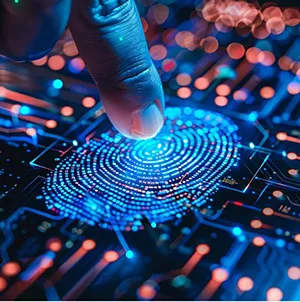
Biometric security solutions have replaced traditional passwords because they emerged as modern authentication solutions. Total security systems now use facial recognition technology and fingerprint scanners which companies and public organizations have adopted for protection needs.
Biometric Solutions Enhancing Security:
• Smart border security: The implementation of facial recognition at national borders enables detection of potential threats in the aviation and border control sectors.
• Iris scanning: The implementation of iris scanning technology has become more prevalent in secure high-security zones.
• Voice recognition: Voice recognition serves as a tool for banking sectors to authorize system access.
4. Quantum Encryption Technology – The Unhackable Code

Quantum encryption technology provides security against cyber-attacks which become increasingly complex making it almost impossible to breach. Encryption protocols based on quantum physics detect any unauthorized access to messages which automatically modifies the data in a way that stops intruders from stealing information.
Why is Quantum Encryption Critical?
• Protects against cyber warfare attacks.
• Strengthens banking and financial security.
• The encryption technology protects government communication systems from security breaches.
5. Autonomous Surveillance Systems – Eyes in the Sky and on the Ground

The capability of autonomous surveillance systems allows continual surveillance operations. The implementation of AI-powered surveillance tools such as drones together with drone surveillance technology produces benefits for public safety as well as military intelligence.
How Are They Used?
• Drones patrol conflict zones - Operating drones within conflict zones prevents dangerous situations for people while achieving their mission.
• AI in global security - Global security functions better through Artificial Intelligence because it delivers faster and more efficient crime detection methods.
• Facial recognition advancements - Facial recognition technology helps police departments to track down criminal suspects through their enhanced recognition capabilities.
6. Blockchain for Cybersecurity – A Decentralized Shield
Blockchain technology has become an invulnerable security solution for cybersecurity as digital threats continue to grow in number. Because blockchain operates on multiple servers the web management process controls information from hackers making it an unbreakable system.
Applications:
• The safeguard of confidential government data and financial information is protected through this system.
• Preventing identity theft and fraud.
• Safe data storage serves as an essential function in smart border security enhancements.
7. Smart Border Security – The Future of Immigration Control

The surge in national security threats guides nations to implement smart border security technologies which both optimize border operations and protect national protection interests.
Cutting-Edge Technologies in Border Security:
• AI-powered threat analysis - Current threat structures receive real-time potential risk analysis through the use of AI systems.
• Facial recognition advancements - Facial recognition technology enables automatic verification of personal identities when put into practice.
• Robotics in security operations - The operation of security robots involves assisting in the monitoring of both luggage and cargo.
8. Drone Surveillance Technology – Aerial Guardians
Drones have changed security operations throughout the world. People currently employ drone surveillance technology across military defense as well as public safety domains and event security practices.
Advantages:
• Cost-effective surveillance - over vast areas.
• AI-powered threat analysis - allows instant response to threats.
• Next-gen threat detection - Modern threat detection systems operated with next-gen technology allows real-time prevention of criminal activities.
9. Smart Weapons Technology – Precision and Intelligence

Present-day warfare necessitates accurate delivery which smart weapon technology delivers. AI-equipped weapons systems maintain their own ability to detect enemies and eliminate them through an automated process which creates lower levels of unintended damage.
Key Innovations:
• AI in global security assists in autonomous target acquisition.
• Future military technology - Laser-guided smart missiles represent one of the future developments in military technology.
• Robotics in security operations - The deployment of autonomous combat units represents the use of robotics in security operation efforts.
10. Robotics in Security Operations – Machines Protecting Humans
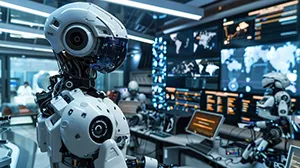
The boundaries restricting industrial robots to operate solely inside factories have now disappeared. Robotics systems have transformed how military forces operate and how urban security organizations protect their areas of responsibility.
Emerging Applications:
• Automated bomb disposal units - Security personnel experience reduced dangers when robotic bomb disposal systems are operational.
• AI-powered threat analysis - Extension AI analysis technology helps reduce crime response time and enables the detection of necessary security breaches through detection measures.
• Cyber warfare defense systems - Defense systems against cyber warfare utilize robots as an intervention method to stop cyber-attacks.
The Future of Disruptive Security Technologies
Security threats transform with the global changes that occur currently. Secureness based on artificial intelligence and quantum encryption technology and biometric security developments ensures active rather than passive security measures worldwide.
Key Takeaways:
• Predictive analytics in security - Security predictive modeling enables responders to take territorial steps in preventing cyber and physical threats before they occur.
• Cyber warfare defense systems - Nationwide defense systems against cyber warfare attacks have become vital elements for maintaining national security.
• 5G security implications - Ongoing system monitoring of 5G security should remain ongoing to spot upcoming cybersecurity threats.
Presently we face an uncertain challenge because we must determine our readiness to face tomorrow's security threats. The future security outlook through disruptive technologies appears optimistic because they demand sustained innovations and adjustments.
Conclusion
AI together with drone surveillance technology are part of disruptive tech innovations that create security improvements for the world. The advancement of security measures brings forth new threats that emerge. Constant leadership demands continuous innovation along with strategic adaptations and constantly superior security protection systems. Has humanity developed enough readiness to face the future challenges in global security? Only time will tell.
 Our Services
 Media Pack Download
 Newsletters
 Industrial Events