

Unlocking the Secrets of Electronic Warfare: How the Army Stays Ahead
Amid gradual changes in the landscape of warfare, electronic warfare (EW) measures occupy a key position in retaining superiority on the battlefield. Modernization in the electronic warfare aspect of a contemporary army further changes the ways that armed forces work today and outcompete adversaries who are present in the digital domains. This article focuses on topics such as electronic warfare systems of the highest class, the advantages of their application and trends in the global military and naval affairs.
The Core of Electronic Warfare
Electronic warfare involves the use of electronics and electromagnetic spectrum primarily to deny, degrade, or damage the enemy whilst leveraging own systems. These strategies blunt their abilities to communicate through targeting communication as well as radar systems denying the adversary, the ability to effectively coordinate militaries. These details shows the importance of the army to apply electronics in the warfare today.
Advancements in Modern Technology
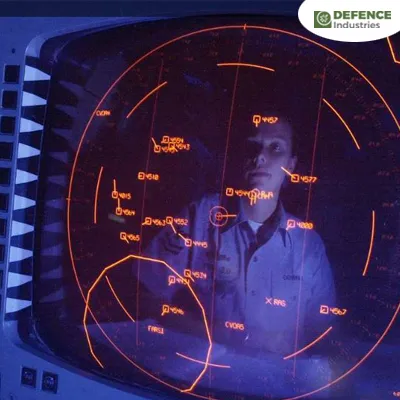
One of the technology specific areas that have been rapidly developed for the modern army is electronic warfare technology. These technologies incorporate elements of signal detection, jamming apparatus and real time precision and analysis mechanisms. The above integration of AI in combat has advanced decision making aspects especially in electronic warfare to predict and deter threats with considerable precision by armies. For example, AI technologies may assess the signal interferences in military activities, identify the point of the source, and indicate how one can counter the influence.
Electronic Warfare vs. Traditional Warfare
When comparing electronic warfare vs. traditional warfare: These tools are in some ways different in terms of approaches and goals. In conventional wars, the force is the primary instrument and weapon, while in electronic warfare strategies focus on the opponent’s technological systems. As highlighted by this shift in the warfare paradigm, the Capable Networked Individual and Accessible Technical advantage now requires sophisticated tools and methods to achieve the electronic dominance.
Enhancing Battlefield Intelligence
One of the major advantages of electronic warfare for national security is the ability to deliver timely intelligence. Thus by intercepting and analyzing the enemies, communication, the military’s beat them in other ways including predicting their next move or plan. Integration of electronic warfare intelligence into the battle space has been truly worthwhile since it puts the forces in a position they could not previously be in, aware of what is going on.

Countermeasures in Electronic Warfare
As a result of increased dependency on electronic systems, adequate countermeasures in the electronic warfare arena have become a dire necessity. These countermeasures embrace tools that have been developed to safeguard communication system which understands embrace encryption, anti-jamming constituents and frequency hopping. Protecting the communication systems under aegis of electronic attacks safeguards the military procedures from interferences in light of complicated attacks.
Role of Cyber Warfare
The use of cyber warfare in strategies and the military environment has increased greatly and the distinction between electronics and cyber is much less definitive. While electronic warfare deals with the EMS, cyber warfare deals with networked systems. Altogether, these domains constitute a complex presented as the approach to contemporary wars. Advanced electronic warfare system coupled with cyber allows armies to perform confrontational operations that jam physical and cyberspace of foes.
Future Trends in Electronic Warfare
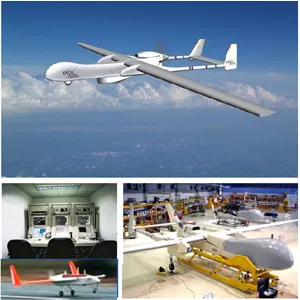
Electronic warfare is a rapidly growing field, and several future trends in electronic warfare are expected to alter the nature of the field. Of these trends, the utilization of unmanned aerial vehicle armed with military strength signal interference system is noticeable. These drones are designed to function in a contested space for exacting disruptions against the hostile systems. Yet another future advancement includes Quantum computing’s application to strengthen cryptographic technologies, and since it is very hard for the offenders to eavesdrop then decipher, secure communication becomes a possibility.
Maintaining Electronic Superiority
To establish and maintain supremacy in this area one has to grasp the way armies support electronic dominance in today’s wars. This includes not only the incorporation of innovative technology but more importantly preparation of personnel to deal with dynamism. Further perpetual R & D work by modern armies in the application of technology for electronic warfare makes sure that the militaries are capable of facing upcoming threats.
Key Differences and Integration
When examining electronic warfare vs. traditional warfare: Time has come to realize that the former rely so much of their strength on the technological aspect. This requirement means that many modern tools such as AI, big data analysis, and advanced sensors need to be smoothly integrated. The incorporation of AI in electronic warfare provides a means by which threats can be identified and countermeasures applied quickly to counter the opponent in most situations as observed by armies.
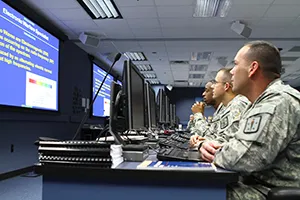
Signal Interference and Communication Security
Among the main topics of concern in electronic warfare, signal interferences in military operations are of great concern. Interference which has not been regulated may affect the company’s mission in a negative way or put lives at risk. The militaries can therefore reduce distinctions and retain operational coherence by using technical filtering and detection tools. Securing communication systems during the electronic attack is of great importance in preventing disruption of communications and maintaining functional synergism within the theatre.
National Security and Strategic Advantages
The advantages of EW are not necessarily limited to such short-term results relating to the state’s national security. This paper seeks to argue that through embracing EW strategies, a nation can defend itself from any aggression powers, protect important structures and prosecute its influence in volatile territories. This evidence shows tactical significance of modern army technology for electronic warfare when applied to the frames of bigger defense systems.
Conclusion:
In conclusion, the secrets of electronic warfare lie in its ability to adapt and innovate in response to evolving threats. From advanced electronic warfare systems to the integration of AI in electronic warfare, the tools and techniques employed by modern armies highlight the transformative impact of this discipline. Thus, as newer trends in the employment of electronic warfare continue to develop, the stress will continue to focus on theatre supremacy. From this paper, it is clear that for militaries to overcome the army in electronic warfare, they need to understand how the army executes electronic warfare, adapt to the changed technological world, and look for ways of countering the effects of electronic warfare. Ultimately, the synergy of electronic warfare strategies with traditional military tactics represents a new era of strategic dominance.
 Our Services
 Media Pack Download
 Newsletters
 Industrial Events