

Types of Explosive Powders Used in Army Ammunition: A Comprehensive Guide

The essence of military firepower stems from explosives since the beginning. Behind the controlled eruptive force exists what substance? The substances responsible for artillery shell flight and warhead precision detonations remain unknown to the public. This article explores military explosive powders from the scientific standpoint including their different forms and chemical contents along with their characteristics and prospects for advancement. Ammunition propellants hide their mysteries in a domain that combines chemistry together with physics along with strategic knowledge.
The Roots of Destruction: Evolution from Gunpowder to Modern Explosives
The use of gunpowder materials during earlier times reshaped the practices of warfare completely. Such powder became the first dependable explosive delivery mechanism by combining saltpeter with sulfur and charcoal into a combustible mixture. The conventional mixture showed multiple drawbacks through its unstable behavior and wasting considerable amounts of powder during usage.
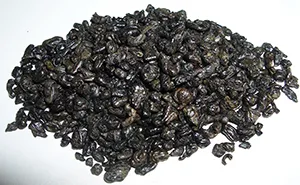
Modern military explosive powders developed much beyond their original smoky state of being. Modern military materials use three main classes of explosive formations which include nitrocellulose propellants, solid rocket components and powerful energetic explosive agents. Military innovation combined with necessity has led to the development of scientifically advanced materials from their initial crude mixture state.
Smokeless Powder: The Game-Changer in Ammunition Propellants
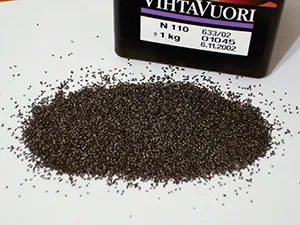
The warfare demand for improved propulsion systems led to the creation of smokeless powder technology. Smokeless powders differ from black powder in their efficient reaction which generates sparse debris as a result. The propellants in these powders use nitrocellulose-based compounds that brought transformative enhancements to firearms and artillery capabilities through better explosive performance and weapon durability improvements.
Smokeless powder technology brings its exceptional value from its ability to precisely control propellant combustion rates. Military engineers transform projectile acceleration rates by modifying grain shape along with grain dimensions and admixing chemical agents to these grains. Such materials are essential components that power every handgun up to heavy artillery systems.
TNT: The Explosive Backbone of Defense
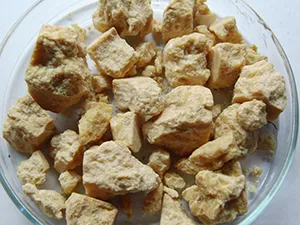
All discussions about military explosive powders must include TNT (trinitrotoluene). The stability features of trinitrotoluene TNT allow this chemical to continue serving the defense industry to this present day.
The material demonstrates suitable storage and transport properties through its medium sensitivity but delivers maximum explosive force as essential for bomb applications, grenades, and demolition work.
Explosives manufacturers commonly use TNT as their reference point in chemical explosive development. The explosive serves as an active ingredient in high-energy explosives Composition B and Amatol and is used with other components to achieve stronger impacts.
RDX: The Powerhouse of Military Munitions
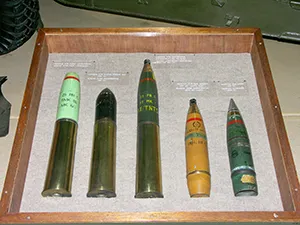
Higher volumes of power require military use of RDX (Research Department Explosive or cyclotrimethylenetrinitramine). Since RDX demonstrates strong power output capabilities with stable properties military forces use it to build warheads alongside demolition charges and other explosive components. RDX functions as a component with TNT to synthesize the composite explosives Cyclotol and Composition B.
Due to its explosive properties RDX proves exceptional in military applications since it develops high detonation pressure and velocity that benefits shaped charge detonation technologies and armor-penetrating munitions. The combination of chemical properties allows modern ammunition industries to utilize RDX in propellants thus making it essential for military operations.
PETN and Detonating Cords: Precision and Sensitivity
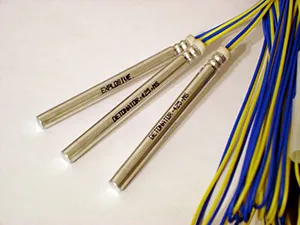
Pentaerythritol tetranitrate (PETN) stands alone as an explosive material for demanding applications that need both maximum sensitivity along with accurate timing activation. PETN stands as one of the most powerful high-energy explosives and serves as the main component in both military-grade detonators as well as detonating cord components.
PETN fills the flexible tubes of detonating cord components which operate as system detonators by igniting multiple charges over long distances. These explosive materials need to work together in perfect harmony to fulfill their mission in mining operation and battlefield coordination and demolition activities. The effectiveness of PETN lies not just in its raw power, but in its reliability under pressure.
HMX: The Pinnacle of High-Energy Explosives

Military operations use HMX (High Melting Explosive) because it stands among the most powerful non-nuclear compounds that exist today. HMX advanced munitions produce faster detonation velocities together with higher temperatures when compared to RDX and PETN detonation properties.
The military employs HMX advanced ammunitions in missile warheads while using shaped charges together with nuclear weapons because it ranks as the most advanced explosive powder.
Due to its ability to remain stable in harsh environments the substance works perfectly as a storage compound and transport medium yet produces extreme destructive power when activated for use.
Solid Rocket Propellants: Lifting Firepower into the Skies
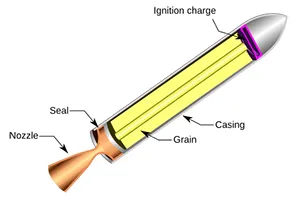
Military explosive powders serve two main functions because some variants function for propulsion rather than destructive purposes. The power of solid rocket propellants remains essential for launching military-grade missiles because they generate thrust which allows warheads to reach distant targets.
Solid rocket propellants give users simpler systems with reliable performance and instant responsiveness contrary to complex liquid propellant systems. Strong thrust results from a single material design which blends both fuel and oxidizer components. Solid propellants provide the main power behind both portable anti-tank systems and intercontinental ballistic missiles and numerous other military applications.
The Chemistry behind the Blast: Explosive Formulation
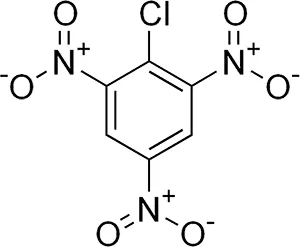
Definitive designs of military explosive powders exist to combine specific ratios of energy production alongside ignition efficiency and environmental reliability. Explosives get their chemical composition through precise engineering that includes selecting appropriate binders along with plasticizers as well as ensuring proper connection to detonators and casings.
The permanent analysis of explosive stability factors exists to stop accidental detonations which can be started by heat exposure or impact forces or friction between elements. Modern warfare demands better mobility capabilities along with extended storage needs which require these factors to gain prime importance.
New protective layers and addition methods together with modern protective methods improve stability performance without affecting explosive strength.
Blasting Agents: From Engineering to Warfare

Blasting agents within war zones operate as essential components which remain in the background despite public attention on warheads and bombs. Such low-sensitive materials explode after receiving detonator activation to produce powerful destructive effects. The main explosive function of blasting agents involves generating large detonations to remove obstacles and destroy bunkers.
Within the context of warfare blasting agents function less sensitively than PETN and RDX but their large quantity usage is possible due to their bulky nature and affordable pricing. The explosive combination of ammonium nitrate and fuel produces extended and extensive effects when combined during formulation.
Military-Grade Detonators: Igniting the Firestorm

The strongest explosive substance remains inert unless it receives the necessary ignition step. Military detonators come with engineered reliability features that use PETN explosives to start the reaction process. Devices used in timed operations exist in three forms: electric, mechanical and shock-sensitive.
The synchronized detonations of detonating cord components are made possible by using these detonators for explosive sequencing in various applications including building demolitions and battlefield tactics.
Modern Artillery Propellants: Where Power Meets Precision
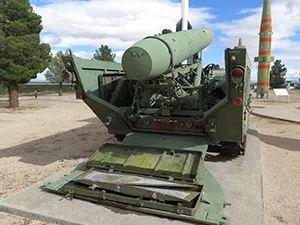
The evolution of modern artillery propellants drives most of the recent developments in artillery technology. Manufactured formulations need to endure high pressure and heat conditions with the ability to consistently perform throughout different climate conditions.
Modern artillery propellants consist of nitrocellulose-based materials as well as synthetic blends which engineers to achieve particular mission requirements by altering both trajectory and speed together with impact force characteristics. Advanced engineering capabilities achieve ballistic performance precision to such exceptional levels.
Future Trends in Military Explosives: What's Next?
Military explosive powders maintain a comparable level of exciting and unpredictable characteristics moving forward. The exploration of new technologies involves nanotechnology together with AI-controlled detonation sequences as well as environmentally friendly materials. Technology advancement has produced intelligent explosive systems that can automatically adapt their functionality during operations by processing current operational data.
The military sector currently demonstrates growing interest in propellants that combine solid and liquid propellant features to achieve superior efficiency and control in ammunition systems. Real-time assistance from AI-integrated systems will determine optimal explosive fundamentals for warfare thus remodeling our existing military strategies.
Conclusion: The Science behind the Boom
Military explosive powders have experienced a transformative journey which took them from gunpowder composition in smoky days to modern production of advanced solid rocket propellants and HMX advanced munitions. Each formulation - whether for detonation, propulsion, or demolition - is a blend of science, precision, and purpose.
Each grain of powder made from TNT and RDX and smokeless powder proves capable of directing historical events toward new changes. Improved chemical explosive creation and emerging military explosive technology trends show potential toward adaptive systems which indicate the upcoming battlefield will become more controlled with greater explosive power.
So the next time you hear a missile launch or a shell detonate, know that behind that sound is a legacy of invention, adaptation, and scientific mastery that continues to evolve with every spark.
 Our Services
 Media Pack Download
 Newsletters
 Industrial Events