

Top 10 Emerging Technologies Revolutionizing the Defense Industry in 2025
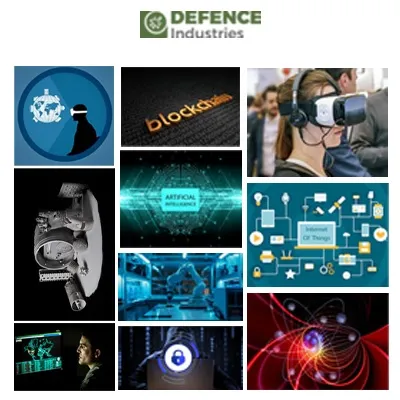
Introduction: A Paradigm Shift in Defense
The year 2025 is the critical year for the defense industry as the innovations dictate change in military operations and strategies. These emerging technologies in defense are not merely ideas on the black boards or in research papers, they are real dynamic forces in reshaping nations’ security. Right from the incorporation of artificial intelligence within the defense industry systems to autonomous defense systems, the shield is experiencing the change through innovation. For this article, it looked into the different defense industry innovations 2025 the revolutionizes modern warfare where it answers the question of what are the most promising emerging technologies in defense industry and are out to transform the world security.
| Also Read: Top 10 Disruptive Technologies Changing the Face of Global Security |
Artificial Intelligence: The Brain behind Modern Warfare
Any discourse on revolutionary tech in military defense cannot be had without a discussion on the application of artificial intelligence. The emergence of military AI improves specific decision support, prognostication, and situational awareness. Autonomous defense platforms would use AI in executing functions such as surveillance all the way to ‘real-time threat detection’.

This is how AI is changing the defence industry – using technology to minimize mistakes, be more effective when using resources, and even forecast attacks. AI is inherently flexible, and its projections for Defense Technology mark AI as a key component of defense industry trends in emerging technologies.
The Internet of Things: A Web of Connectivity
The Internet of Things (IoT) is a new revolution and a new era of communication in military. IoT utilizes connective devices for sharing and analyzing current data, which is essential for current techniques. This revolutionary tech in military defense improves performance and organizes soldiers, vehicles and command centres that are involved in the operation.
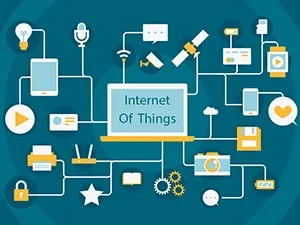
Upon integrating IoT into new defense technologies, military forces obtain superb situational awareness and create the context for wiser and quicker reactions.
Additive Manufacturing: Building the Future
Additive manufacturing often referred to as 3D printing is becoming a logistics and manufacturing change agent across the defense industry. This, the foremost technology, in defence, can create components on-demand thereby decreasing reliance on conventional supply chains. From developing agile but strong tools to building mockups of future weapons platforms, additive manufacturing underpins fast-paced advancement.
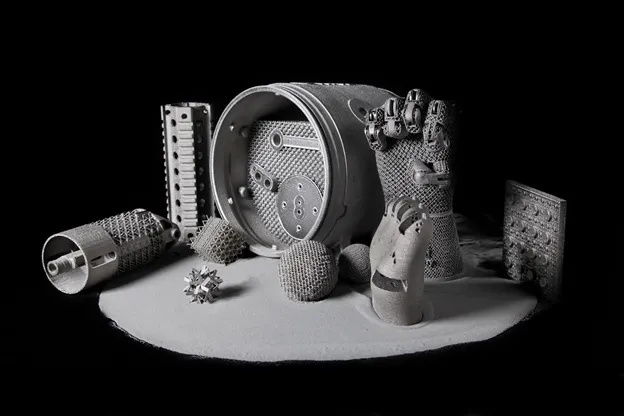
Thus, inclusion of AI into as part of innovations 2025 in the defense industry will ensure improved cycle times, lower costs and product specific tailored needs for the mission.
Quantum Computing: The Power of Possibility
Quantum computing currently occupies a niche strategic position in defense industry trends in emerging technology. Since quantum systems have an advanced capability to solve various problems with high complexity in very short time, quantum computing could drastically change cryptography, logistics and simulation fields.

The importance of cybersecurity in current defense systems is further brought to focus as quantum capabilities turn into reality, and need more sophisticated solutions in place to deal with threats. Being one of the most significant driving forces of emerging technologies in defense, quantum computing is a truly unique opportunity for development and threat handling.
Augmented Reality: Enhancing Combat Readiness
Augmented reality or augmented reality technology is widely used in military applications, and it is expanding rapidly. This revolutionary technology in military defense offers the soldiers training simulations, precise maps, and rich situational awareness.

AR places key combat information on actual combat environment so that real time strategies can be embarked on. Its involvement in novel technologies for protection makes personnel ready to handle existing contingencies, making its position as a future advance in defense technology evident.
Cyber security: The Digital Shield
Given the growing networked systems, progress in cyber defense is perhaps more important than ever for defense systems. Cybersecurity in today’s defense systems concerns itself not only with the data that is being captured or generated, but with the survival of the networks on which operations depend. Cyber warfare is very real and active and therefore it should remain as a top most vital part of new technologies in defense.

With an upgrade of hackers, the defense departments look for artificial intelligence for adaptive defense to safeguard the critical physical infrastructure& central nervous system of today’s military.
Immersive Technologies: Redefining Training and Simulation
Technologies like virtual reality and mixed reality are revolutionizing training in military. These tools help to organize realistic combat conditions so that the personnel is ready for extreme conditions without the potential for casualties. In defense sector this innovative tech improves the decision making skills and minimize the training period.

Immersive technologies are part of the defense industry innovations 2025 – this measure provides the soldiers with the right mental and physical preparation for the contemporary fight.
Robotics and Automation: The Vanguard of Modern Warfare
These changes have to do with aspects of warfare that are defined by the insertion of robotics and automation into the theatre of conflict. Unmanned aerial vehicles to unmanned ground systems, these autonomous platforms in defense bring down risks to life and enhance the throughput.
Robotics as an exciting frontier in future defense systems is already being used in functions ranging from scouting, supply, and support. This revolutionized technology in military defense is the future of defense technology that provides precise and efficient power and dexterity in dynamism of warfare.
Cyberwarfare: The Invisible Battlefield
The advancement of information technology in the political, military and social domains has given the world a new type of warfare. Countries are spending big in terms of innovations in defense to counter espionage and sabotage on cyber front.
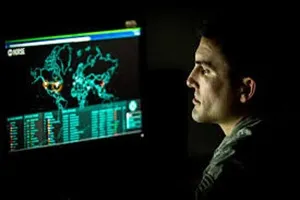
Since it is among the newest areas of development in the defense industry, approaches to combating cyber threats are rapidly becoming as important as the physical ones. To comprehend what the top emergent technologies in the defence industry are is to comprehend key importance of cyber capabilities in the contemporary warfare.
Blockchain: Securing Military Operations
Technology is gradually taking the defense industry where it reigns effective communication and secure protection of data through blockchain technology. The best technology that currently revolutionizes defense industry is characterized by highly secure logistics that cannot be tampered with, supply chain management as well as mission-critical communications.

Through the implementation of blockchain in defense industry innovations 2025, military operations realize more credibility and reliability which is fundamental when it comes to creating reliability in highly sensitive conditions.
Conclusion: The Road Ahead
The defence industry trends in emerging tech demonstrate a future whereby applying innovation is fundamental in the preservation of world security. The technologies highlighted in this article – military artificial intelligence, smart weapons technology 2025, and so on – show how the progressing development of new technologies influences the modern wars. To everyone’s experience, as nations embrace these defense industry innovations 2025, power will shift to adaptability and vision. One needs to stand aside from thinking that the future of defense technology is only in developing new and better tools, but in the formation of the culture of constant development and readiness for evolution for mankind.
 Our Services
 Media Pack Download
 Newsletters
 Industrial Events