

Innovations in Air Force Traffic Control Systems: A Technology Overview
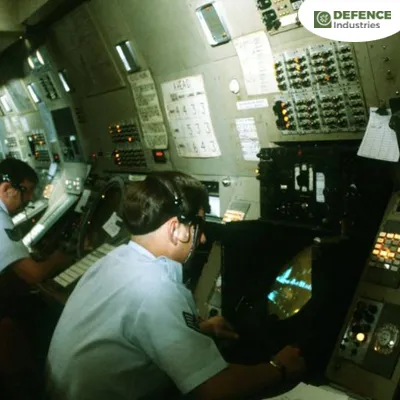
Air Traffic Control or ATC has continued always as an active component in safety as well as in the provision of services in aviation. The history of the air traffic control has recorded a lot of changes over the years; right from the use of just simple means of radio communicating to using the most sophisticated methods of today. This article provides information about the recent developments in Air Traffic Control, the technological trends regarding the Future of Aviation, and technological importance in the Air Traffic Control domain.
1. Air Traffic Control Automation
One of the most emerging aspects of new generations of Air Traffic Control Systems is automation. Air Traffic Control Automation is the application of Artificial Intelligence and Machine learning concepts and tools in an endeavor to optimize decision-making. This is evident and even as aviation becomes more developed, automation will become inevitable in managing a higher traffic volume. This automation has improved on the Air Traffic Management Optimization which is key to efficient operationalization of the airspace facilities globally.
2. Next Generation Air Transportation System (NextGen)
The Next Generation Air Transportation System is one of the major reforms that have been proposed for the aim of developing the air traffic system of the United States. This is a collaboration project between the FAA, NASA, and stakeholders in the aviation industry whose common aim is to transform the ATC by adding an aspect of satellite based navigation, enhanced tracking, and digital communication. This means that there can be less down time, better usage of fuel and last but not the least, better safety conditions. The Next Generation Air Transportation System is an essential component in the Future of Aviation and is the basis for advancing air transport capability.
3. Advanced Traffic Control Equipment and Radar Advancements
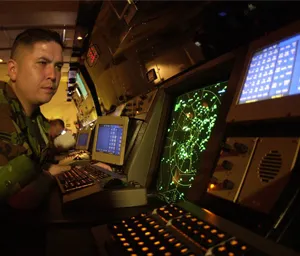
Historically Radar and Air Traffic Control Systems have been of great importance with significant contribution towards today’s flying environment. Modern technology has introduced the radar equipment systems, which gives great picture display of the aircraft not only by using the radar but also through efficient tracking systems, make it possible for the controllers to handle the traffic efficiently. Advanced Traffic Control Equipment also incorporates features of weather that determine the most appropriate route for aircrafts from the proceedings. This is beneficial to both the Air Traffic Management Optimization goal and the safety goal of today’s airspace.
4. Improvements in Air Traffic Control Systems
The length of a range of this area is characterized by constant development of new technologies, plus the history of Air Traffic Control is no exception. Nonetheless, development in the Air Traffic Control systems in recent years has brought a drastic change in the field. This can be attributed to higher level of communication technology, better positioning of aircraft and the gadget that assist the controller in traffic flow. Notably with reference to Air Traffic Control, the advanced technologies have been fashioned to integrate closer human control with system control thus minimizing on errors.
5. Innovations in Remote Air Traffic Control Towers
Another of the revolutionary technologies is Innovations in Remote Air Traffic Control Towers. These towers enable the controllers to sit and control traffic from distant regions by means of video and radar technologies. This innovation helps in control of staffing and pinpoints the awareness of the environment with great HD, all round video stream. These towers also make for economical sense especially in cases where building normal control towers may be a bit unfeasible for small airports. Remote Air Traffic Control Towers represent a new generation of managing the air traffic.
6. Revolutionizing Air Traffic Control Using AI
Revolutionizing Air Traffic Control has become the focus of Artificial Intelligence or more preferably AI. Artificial intelligence aided systems provide support with simple operations, estimate traffic and control real traffic in crowded environments in the airspace. The consequences of Technological integration in the contemporary society air traffic control cannot be refuted, and the key technology here is Artificial Intelligence. AI is assisting in changing how Air Traffic Management is conducted through decreased human mistakes, better location of routes, and forward thinking on possible future conflicts.
7. Innovations in Air Traffic Management
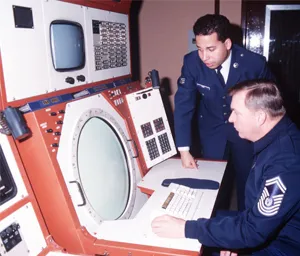
Of course, the field of Air Traffic Management has been a hub of changes due to technology progress. New Directions in Air Traffic Management include; Satellite-Based Navigation, Digital Data Links in management of air traffic, and analytics in the management of air traffic. They can enhance and ease the existing ways that aircrafts and controllers communicate which in return increases safety and efficiency through the use of AI, and advanced radar systems.
8. Trends Enabling Advanced Air Mobility
Indeed, one of the most interesting innovations in aviation especially in the recent past, is the Advanced Air Mobility AAM. Trends enabling advance air mobility are all innovations in the design of the aircraft, batteries, and the air traffic management systems that let the incorporation of new aircraft classes including drones and electric, vertical takeoff and landing (eVTOL) crafts. They are: Dreaming a Future of Aviation for urban air mobility where people will have a chance to move around in the skies.
Conclusion
The innovations in the Air Traffic Control and Air Traffic Management systems have produced major changes in this area. From the automation of air traffic control systems to the use of Artificial Intelligence in managing airspace, Next Generation Air Transportation System, and many others, NEXT and many others are the Future of Aviation. The upgrades on Air Traffic Control Systems guarantee that the increasing needs of the modern day sky transport are met, new more efficient technologies introduced include; Remote Air Traffic Control Towers and Advanced Traffic Control Equipment. Many of these advancements will prove very useful when it comes to ensuring the safety and functionality of the airspace as we explore unprecedented horizons in aviation engineering.
 Our Services
 Media Pack Download
 Newsletters
 Industrial Events