

10 Emerging Defense Technologies to Watch in 2025
Global defense keeps changing swiftly because nations increasingly dedicate funds toward modern defense technology to defeat potential threats. Ulime represents a revolution in security, as innovation driven by computational means and the development of hypersonic missiles are being designed to shape the world of tomorrow. These upcoming advanced military developments of 2025 require an examination of the innovations that will define future warfare.
1. AI-Powered Warfare Solutions
The defense sector experiences a transformation through artificial intelligence which creates combat systems for the next generation with better decision-processing and faster responses capabilities. The use of AI algorithms to evaluate battlefield information brings both improved electronic warfare strategy optimization and decreased human mistake rates in real-time. Representation-based warfare solutions boost smart surveillance capabilities because they detect threats before they evolve into dangerous situations.

Autonomous weaponry has become more efficient because AI integration reduces human dependence in its operations. The use of AI simulation training brings improved combat simulation for military training of personnel across multiple combat situations to enhance strategic preparedness.
2. Autonomous Military Robotics
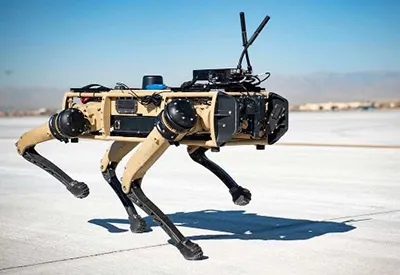
Modern combat strategies gain new and better capabilities through autonomous military robotic technology. These systems composed of unmanned ground vehicles together with AI-driven drones provide military personnel with support across high-risk areas. These systems perform intelligence gathering assignments and deliver material support while fighting independently. AI technology applied in robotics serves as force multiplication tools which enhance battlefield improvement through time.
The integration of robotic soldiers into ground combat forces has brought forward safer and more efficient operations to carry out missions. Cognitive robots demonstrate the ability to move through dangerous territories and find landmines while precisely attacking threats to protect personnel from harm.
3. Cybersecurity Defense Trends
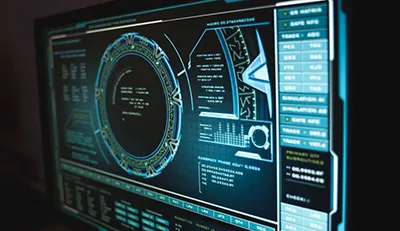
As cyber threats grow nations focus on security defense patterns to defend classified information together with critical infrastructure. Quantum computing will protect defense operations through secure communication networks and encryption techniques that are impenetrable for aggressive cyber attacks. Modern cybersecurity needs a practical framework for handling upcoming advanced threats because this defense strategy represents a vital fundamental of future military innovation 2025.
The protection of military data depends on AI detection systems and blockchain protection as well as decentralized networks to stop hacking attempts and unauthorized access.
4. Space-Based Military Tech
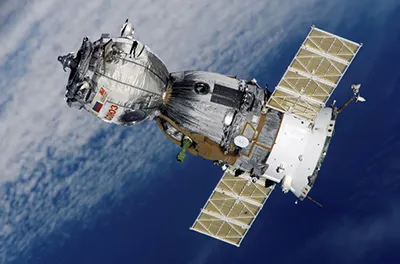
Defense supremacy has emerged as a new contestation between militaries in the realm of outer space. Space-based deployment of military technology establishes worldwide observation capabilities and planetary missile alert systems as well as reliable network communications systems. Defense strategies heavily depend on three primary components including satellite-based laser weapons and advanced reconnaissance systems and anti-satellite defense mechanisms. Defense security of space assets has become vital because geopolitical tensions continue to escalate.
Several nations pursue independent satellite navigation programs to protect their military operations from GPS interruptions in defense-affected areas. Real-time intelligence transmission from space-based communication systems benefits those forces operating on the ground.
5. Hypersonic Weapon Development
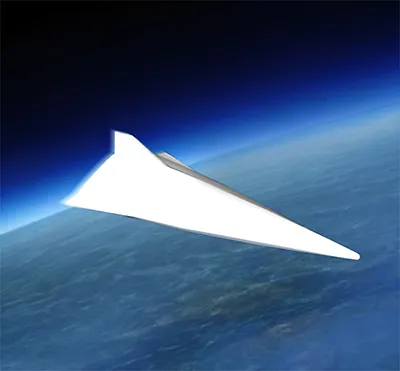
Military strategy heavily benefits from operational speed capabilities. Weapon developers have achieved hypersonic speed capabilities beyond Mach 5 with their missiles thus eliminating conventional defense capabilities. Several nations that invest in hypersonic weapons technology acquire valuable strategic positions through which hypersonic weapons become central features of future military systems. Currently no defense system exists to stop hypersonic missiles because these platforms traverse unpredictable courses while responding in fractions of a second.
Defense forces worldwide face new operational challenges due to hypersonic glide vehicles (HGVs) because these vehicles deliver precise targets at long distances with instant strike capability.
6. Drone Warfare Evolution
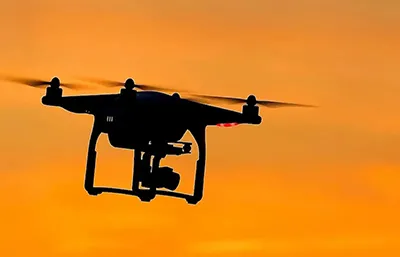
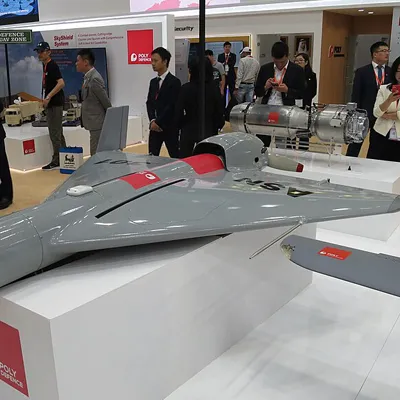
Modern air combat and surveillance operations experience a transformation because of drone warfare development. Swarm drone tactics which arrange drones to work with others in organized groups improve both offensive capabilities and defensive maneuvers. Advanced stealth-capable AI-operated drones provide enemy forces with an unseen advantage for airspace penetration on combat zones.
Military applications of drones now extend well beyond reconnaissance and attack functions because forces deploy them for multidimensional purposes that include electronics warfare and medical delivery systems and logistics support operations.
7. High-Tech Missile Defense
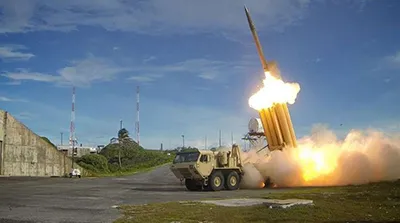
The development of high-tech missile defenses continues because threats from missiles become more advanced. Improved tracking interception comes from the combination of AI technology and quantum computing with space-based tracking systems. The defense of national security benefits from laser-based missile interceptors in conjunction with hypersonic glide vehicle defenses.
Executing electronic warfare strategies with missile defense creates a system which eliminates threats swiftly. AI-powered early warning detection systems embedded in missile defense shields respond within seconds to incoming threats and enhance the missile defense response time.
8. Underwater Combat Innovations

Current naval warfare goes through a technological revolution that includes autonomous submarines as well as AI-controlled torpedoes. The underwater security assets use swift speeds alongside sophisticated sonar systems in addition to their stealth capabilities. Naval defense operations use AI and machine learning together to create quick threat detection systems alongside proficient counter-response capabilities.
Unmanned underwater vehicles (UUVs) conduct UAF missions along with underwater mine disposal and intelligence reconnaissance operations to enhance protects naval operations.
9. Military Exoskeleton Advancements
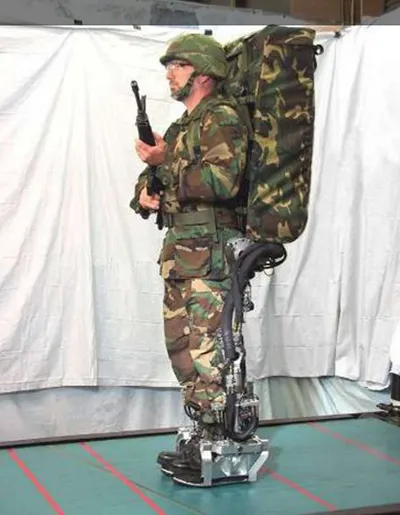
Military exoskeleton development allows the enhancement of soldier capabilities which rewrites the framework of ground warfare through improved strength and endurance levels. These wearable technologies enable soldiers to move freely while decreasing muscle exhaustion while simultaneously allowing them to handle bigger loads without effort. Exoskeleton AI systems have improved terrain recognition abilities because this integration enables optimal battlefield operation efficiency. Different soldiers gain personalized performance enhancement through the combined use of exoskeletons with biometric security applications.
Powered suit systems protect soldiers from injuries which enables them to sustain longer operations without experiencing body-related damage.
10. Biometric Security Applications
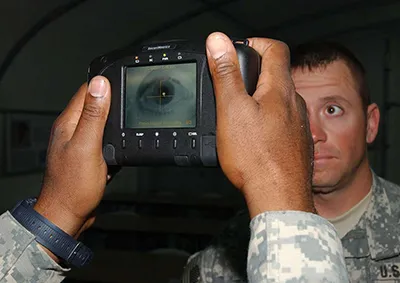
The military achieves greater security through the implementation of biometric security applications which perform both access control and identity verification tasks. Secure military areas now rely on AI identification systems supported by retinal intelligence and vocal recognition officers as everyday access procedures. The latest cybersecurity defense trends benefit from these technologies which enhance both authorization control and protected data.
Advanced weaponry systems now possess biometric authentication capabilities which limit access to authorized personnel needing control of operational defense systems.
Summary Table of Top 10 Emerging Defense Technologies
| Technology | Key Features |
| AI-powered warfare solutions | Autonomous intelligence, smart surveillance |
| Autonomous military robotics | Swarm drone tactics, robotic soldiers |
| Hypersonic weapon development | High-speed, maneuverable missiles |
| Space-based military tech | Satellite defense, space warfare |
| Quantum computing for defense | Quantum encryption, advanced simulations |
| Drone warfare evolution | AI-driven UAVs, swarm tactics |
| Smart surveillance systems | Biometric security, real-time tracking |
| Electronic warfare strategies | EMPs, jamming, cyber warfare |
| Stealth technology upgrades | Radar evasion, electromagnetic camouflage |
| Military exoskeleton advancements | Enhanced soldier performance |
Conclusion
Modern defense technology advances at a fast pace which modifies security protocols worldwide. The defense sector of 2025 will feature major changes compared to current times because of AI together with quantum computing and autonomous robotics technologies. Countries that fund their military with future advancements in technology will build battlespaces through combinations of adaptability and intelligence and technological excellence in 2025.
The world needs clarification on what impact emerging innovations will have on worldwide power structures throughout the upcoming years.
Defense forces need to maintain leadership in their field because hypersonic weapons and space-based military systems and swarm drones now make up the modern battlefield. The potential future security state of the globe remains unclear because these developments may either increase global defense capabilities or start another technological competition. Global warfare continues to shape itself into the future therefore maintaining awareness about its development remains essential.
 Our Services
 Media Pack Download
 Newsletters
 Industrial Events