


War in the Digital Age: How Cyberconflict Shapes Foreign Policy
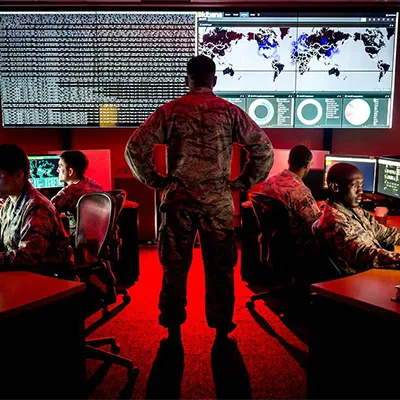
The Rise of Cyberconflict in a Connected World
Now, in the 21st century, warfare is adapting away from mainly taking place on traditional fields and with soldiers on the ground. Rather, we have a cyber war taking place in secret, as the means of engagement are changed by actions online. The internet blurs our borders today and unseen methods such as codes, viruses and algorithms are just as important as bullets in cyber battles. With a few keyboard presses, a hacker’s activities can shake foreign policy around the world as much as a major attack would do.
Cyber conflict in modern warfare represents this shift clearly, where the digital battlefield is just as crucial as the physical one.
The Shift from Traditional Battles to Digital Age Warfare and National Security
Military superiority is no longer enough to give a country influence around the world. Today, there is a strong link between digital age warfare and national security. Nations are building up their cyber forces because they realize cyber attacks can affect everything from information networks to power grids, defense tools and trust among the public. Today, with cyberconflict a key part of many wars, it is important for national security to treat digital defense as a main aspect.
How Cyber Warfare Affects International Relations in 2025 and Beyond
Many geopolitical experts are now asking how cyber warfare influences the world’s relationships. A major cyberattack on a nation is not only an attack on its systems - it also speaks for itself and requires a response. Such online attacks are usually performed in such a way that the real countries behind them remain hidden. Because of this problem, foreign governments must consider adjusting the way they develop and sustain online partnerships. The creation of stronger cybersecurity policy 2025 strategies by many countries is a demonstration that cyberspace should be treated as purely sovereign and capable of defense as well as retaliation.
Increasingly, cyber conflict in modern warfare is becoming a decisive factor in shaping these strategies.
The Invisible Arms Race: Cyber Warfare and Its Global Stakes
Cyber warfare has become a race for dominance and the pace of new technology matters most. Both sides in a nuclear disagreement can trust in the threat of mass destruction, but cyber attacks do not seem to set definite limits.
One cyberattack on the nation’s infrastructure can stop hospitals, prevent people from communicating and throw elections into chaos, all without someone being killed or a weapon being used. Cyberattacks are making it harder for foreign policy leaders, who may need to decide quickly whether to react on the diplomatic, economic or cyber security front. As a result of this delicate situation, all actions by diplomats are watched closely because unclear facts can lead to stronger responses and faster conflicts.
The Role of Cyber Threats in Global Diplomacy and Strategic Alliances
Planning in diplomacy today should be done with cyber security threats in mind. Today, embassies and ministries rely on digital security as well as on soldiers. More and more, intelligence between allies is sent in digital ways and this has introduced digital threats. As a result, cybersecurity and foreign policy now depend on one another. Now, nations once just working together on trade and defense are now matching efforts on cyber resilience, information sharing and handling threats. Because of these partnerships, countries are building a new kind of bond, defending each other now and in the event threats from invisible forces emerge.
The Ripple Effects: Impact of Cyberattacks on Foreign Policy Decisions
A cyberattack can cause changes in foreign policy by something as minor as holding back assistance or as major as placing economic sanctions on a country. After North Korea was accused of hacking Sony Pictures in 2014, the U.S. quickly and publicly took action. Similar allegations about Russia interfering in U.S. and European votes spurred investigations and changes in policies all over the world. This makes it clear that cyberattacks no longer stay local - they impact international bodies, affect how people vote and affect the world’s view of countries. Every time a company or country gets hit with a cyberattack, it’s similar to moving a piece on the world’s chessboard.
The significance of cyber conflict in modern warfare continues to grow, impacting diplomatic relations and global responses.
Inside the Mind of a Hacker: Motivation behind Cyberconflict
What pushes a country or group to act in cyber warfare? Does it all come from power, fear, retaliation or ideology? It is not simple.
Digital warfare is employed by some nations to cripple their rivals in the market or to take military secrets and some do it by spreading inaccurate information. Although the reasons can differ, the plan is always to hurt our opponents without starting a real war. With the influence of cyber threats on warfare rising, think tanks, departments for defense and schools are now paying close attention to Cyberconflict and Foreign Policy: Warfare in the Digital Age.
Cybersecurity Policy 2025: A Necessary Response to Growing Threats
To deal with increasing cyberconflict, several countries are choosing to implement whole cybersecurity policy 2025 frameworks. They explain what the nation expects in terms of cyber defense, teamwork between public and private organizations, defending critical systems and partnering with other countries. Exactly how well do they work? It’s not enough to make the policies; we also have to enforce them effectively in a changing environment. National strategies have to keep up with hacks, because they do. Cybersecurity and foreign policy initiatives succeed when a country can adjust quickly and devote efforts to developing professionals who can handle such dangers.
How Cyber Warfare is Rewriting the Rules of Global Diplomacy
The question of how cyber warfare is reshaping world diplomacy may be the most significant issue for our time. Before, nations interacted mainly through signed treaties, direct discussions and precise listing of the results. Currently, attacks on digital networks can result in diplomatic conflicts, trade sanctions and aggressive retaliation—all using data instead of explosives. This new situation has encouraged leaders to introduce cyber norms and international treaties trying to reduce online hostility. Even so, it’s a slow process and the regulations are not easy to follow. At the same time, rogue states and independent organizations are testing the borders, believing cyberattacks help them control world affairs with low risk and significant benefits.
The Role of Cyberattacks in Modern Geopolitics: Power, Control, and Perception
It is obvious from what has happened that cyberattacks play a major role in today’s geopolitical world. The goal of these attacks is to harm the target and to issue a warning.
They reflect how strong, able and determined a nation is. How you are seen in geopolitics matters a lot. If a country cannot protect itself from cyber attacks, it may lose its place in the world, but one that acts quickly and protects its systems is respected by others. That is why cyberattacks are now used for both attacking and communicating in political contexts.
The Future of Warfare is Digital, But Are We Ready?
We can all see now: Cyberconflict and Foreign Policy: Warfare in the Digital Age is only developing and is going to be with us for years to come. Many countries are working to find the best ways to connect cybersecurity and foreign policy, address more advanced threats on the internet and protect their interests in a world with no borders. A major point for discussion: Who determines the guidelines we use for behavior in cyberspace? Is global governance capable of staying current with new innovations? Above all, are we ready for a serious cyber attack that seriously affects our daily living?
People in politics, technology and society are all finding the topic of cyberconflict in modern wars highly interesting. Because digital tools are more advanced, separating war from peace is becoming harder. It is obvious today that digital age warfare and national security have become real issues, since they are now a part of our world. While countries are figuring their way out in digital technologies, everyone remains watchful and interested about their next steps.
While there’s lots of uncertainty and excitement about cyber warfare, every level of society should continue to learn how it impacts international relations. We have entered the era where cyber diplomacy is the main approach to negotiations. Are we actually ready for what lies ahead?
 Our Services
 Media Pack Download
 Newsletters
 Industrial Events