

The Future of Defence Manufacturing: Automation and Digitalization
It is not exaggerating to say that the future of defense manufacturing is characterized by a historically new digital transformation of defence, which covers a number of technological innovations. While global security threats are changing, it is crucial to integrate and automate the processes functioning within the framework of the defence manufacturing business to increase its performance, flexibility and speed. This article provides analysis on the future, as brought on by digital transformation in aerospace & defense industry where automation and digitization is now being adopted.
The Impact of Digital Transformation on Defence
Defining defence digital is not just as a trend, it is a requirement for the system to move to the next level. They are proactive military system changes that are characterized by the increased application of Artificial Intelligence, Robotics in Defence, and Automation Systems for the Defence industry. They help the armed forces to improve performance and efficiency of operations and procedures. The concept of digitalization in the defence sector is to form digital environment in order to allow a quick and easy access to a large amount of data necessary for effective management and quick decision making.
Automation and Its Role in Military Operations
Robotics and automations are the way to go in modern day military operations. Automated manufacturing and deployment minimize the occurrence of human errors, the efficiency of processes, as well as mitigate dangerous occurrences.
The adoption of robotics in the defense manufacturing industry has enabled the delivery of robust manufacturing growth rates, hence faster development and deployment of critical defense equipment. Such a shift to the military automation requires significant emphasis in an era that modern warfare requires quick solutions to various challenges.
Digitalization and Artificial Intelligence in Defence
The ability to handle large volumes of information is one of the primary reasons most modern militaries are aggressively embracing digitalization and artificial intelligence in defense. AI technologies are able to analyze patterns, predict the result and decide upon the most viable actions and so they are instrumental for defense agencies. This digitalization of armed forces supports the application of smart systems that can be used in planning of missions, supplies, and sometimes even on the strategic level – the battle.
Integration of artificial intelligence, and digital technologies in defence improves the decision-making environment and performance. For example, machine intelligence can assist the commanders in achieving a better big picture of the theatre and its topography; intelligence that can be real-time for better decisions. Also, the use of AI in equipment like drones and auto cars improves efficiencies in operations without endangering human life workforce.
Tech Disruptors and the Defense Innovation Future
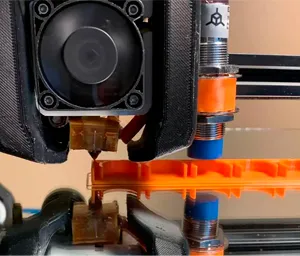
As elucidated the tech disruptors and the defense innovation future go hand in hand. Traditional non-high tech defense contractors are facing competition from start-up and other high-tech enterprises. New technologies and ideas, that one might consider as simple cliches nowadays, like for instance 3D printing or augmented reality, or the Internet of Things (IoT) are revolutionizing how the defence systems of tomorrow will be built, used, and updated.
With the development of these technologies, it provides the means for integration of new defense solutions with the ability to build prototype quickly, and also supplies chain management by means of tracking and analysis. This transition to digital change in aerospace and defense guarantees that militaries continue updating their capabilities within threats.
Challenges in Implementing Digital Transformation
However, there are a number of issues that prevent the successful implementation of digitized and automated processes in defense sector. Data security concerns such as data privacy and protection from cyber-criminal attacks form the backbone of security concern.
As the integrated military systems continue to advance, security continues to be a major concern because of the increased vulnerability of information to intruders. Moreover, incorporating more novelty into existing systems takes a lot of investment and change in organizational
culture.
Also, the current and future state of defense manufacturing will depend on the workforce development. When more processes are being automated, it means there is a need for personnel who can manage the new technologies into the organization. Trust of defense organizations have to be developed to get necessary training and education for the shifting new environment.
Robotics in Defence: A New Era of Warfare
The appearance of the machinery known as robotics in the defense system can be regarded as starting a new chapter in the military possibilities. For purposes of surveillance, transport, and even front-line fighting with little or no exposure to enemy fire, robots can be used. It makes it possible to integrate robotic and technical management of combat activities with the involvement of human-derived decisions in achieving unified command decisions.
The defense manufacturing sector is experiencing development of automated drones, ground vehicles, and underwater systems with limited human control. These improvements not only increase the effectiveness of operations, but they also expand the capabilities of military forces well beyond their immediate manpower risks.
There are high expectations for the automation of systems for defense needs since there are many areas that can imitate military and defense aspects of work. Across sourcing and procurement, as well as actual combat situations, automation optimizes activities and guarantees that militaries can act accordingly to new threats. This has resulted into a shift in the military operational approach due to emphasis on the use of automation in executing tasks freeing the military to rely more on initiative, strategy and planning to accomplish its key mission while sparing less thought on how to make cumbersome logistical arrangements.
Automated Systems for the Defence Sector
Automated systems in armed forces also help to manage resources more efficiently since digitization takes better place. For example, supply chain can be made more efficient by use of a prediction analysis method that would help avoid some supply chain interruptions whereby troops are provided with supplies at precisely all the time they require it.
A key argumentation is that through use of automated systems, actual armed forces benefit in efficient ways of resource deployment. For example, application of the predictive analytics improves the supply chain systems because the supplies needed by the troops in the field are procured on time and delivered to specific locations.
Disruptive Defence Innovations Ahead
As for what is to come, the disruptive technologies introduced in the defence domain will remain revolutionary to the military. There are expectations that increased incorporation of elements such as analytics, learning machines, and blockchain technology are poised to catapult available operational capacities to higher levels. This brings the conclusion that, going forward and as a result of greater digital transformation in aerospace & defense, military organizations are likely to place a great deal of emphasis on data-based solutions aimed at improving the outcomes of their missions and operational preparedness.
Moreover, the current trend of sustainable efforts within the defense sector has emerged. Green technologies and its practices being incorporated due to the d of the defence through digital transformation effects tries to bring down environmental footprint. Sustainable manufacturing and energy technologies shall remain critical in determining the future of defense industry manufacturing.
Conclusion
Defense manufacturing is gradually standing at the crossroads of prospective transformations initiated by automation and digitalization. It means that the military organizations expecting the advancement of digitization and automation, can link to the improved operational capacity, greater efficiency, and decreased threats. Digitalization together with artificial intelligence in defense system will enable the armed forces to counter threats as they develop.
As much as there are challenges facing the three areas of military automation, robotics in defense as well as automated systems for defense, the significance avails itself to be much more significant than challenges. These innovations hence have to be adopted in order to sustain competitive advantage in a modern and changing security environment in the world.
On this waves, the digital transformation of defense will act as the key enabler of change, as technology continues to increasingly define and redefine the future of the defense space. The continuous transformation of the defence manufacturing industry will guarantee that the armed forces are armed with the appropriate instruments needed to overcome the future unknowns.
 Our Services
 Media Pack Download
 Newsletters
 Industrial Events