

Runway Lighting Systems in the Air Force: Technology and Implementation
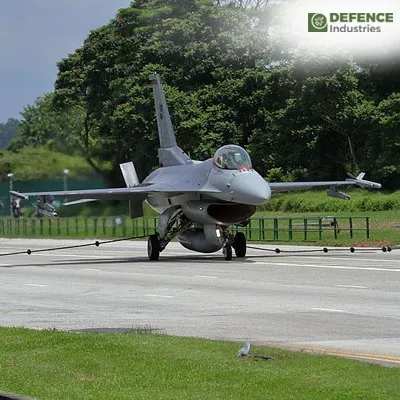
Advanced runway lighting systems are widely used by the air force for the safe and timely operations of the planes particularly during night operations and in bad weather conditions. These systems are crucial for enabling pilots to gain the right perspective of the airfield especially during takeoff, landing, and while taxying. This article aims at giving more insight into the items of the runway lighting systems in terms of their technology and available options.
Runway End Identifier Lights (REIL)
Runway End Identifier Lights (REIL) helps in making the visibility of the runway clear especially in poor visibility conditions. REILs are two flashing lights placed symmetrically, on one side of the threshold of the runway.
These lights have to be very bright as they ensure that the pilot recognizes the end of the runway and properly position the plane for a safe landing. Specifically, the REIL system is useful in identifying the runway especially in congested or busy airports with many runways.
Runway Edge Light Systems
The Runway Edge Light Systems are also used for demarcating the required sides of the runway with high importance. These lights are generally white and they are installed at equal distances starting from the beginning of the runway.
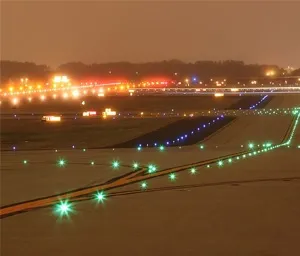
The Runway Edge Light Systems work to ensure that the pilot has a clear indication of the edges of the runway through the times that he or she is taking off or while landing. Thus, the Runway Edge Light Systems become a crucial prerequisite to maintaining a proper level of visibility in conditions of insufficient amount of light.
Runway Touchdown Zone Lighting (TDZL)
Starting with the threshold, for the first 3,000 feet of this runway, Runway Touchdown Zone Lighting (TDZL) is installed. These lights help provide the pilots with extra information on the route to choose and the area where they should land. TDZL comprises of a contiguous row of white lights located on one side and/or both sides of the runway centerline.
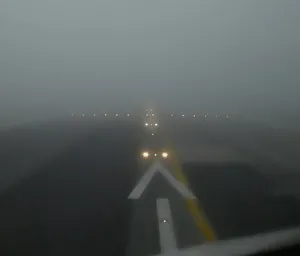
Pilots are able to land accurately because Runway Touchdown Zone Lighting (TDZL) lights up the touchdown zone therefore increasing the safety of aircrafts and the efficiency of runways.
High Intensity Runway Lights (HIRLs)
High Intensity Runway Lights (HIRL) very useful during low visibility for instance during foggy and rainy conditions or during the evening period. High Intensity Runway Lights make it very easy to see the runway as it brightly lights it and immediately tells you the length of the runway.
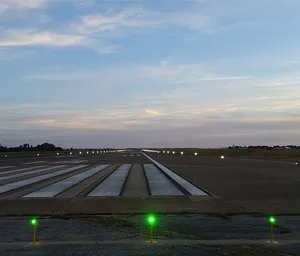
These lights are also variable, meaning that one can select different amounts of light depending with the specific circumstance. High Intensity Runway Lights (HIRLs) can be white light, forward light, or reversed light type of light bar from the beginning of the runway extra clear zone to before the last 2,000 feet of the runway maneuvers of the boundary marking.
Runway Threshold Lights
Another important fixture in the category is the runway threshold lights. These lights are of great importance in the safety of the airplane especially in situations whereby it has to land at that certain airport since they indicate the start of the usable runway length. It is green from approach, and red from the runway to inform the departing aircraft the extent of the runway.
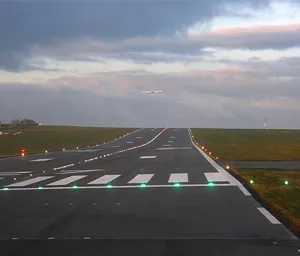
Runway threshold lights refer simply to lights that help the pilot to align his or her approach to touchdown on the correct part of the runway and so identifying them as correct is vital.
Runway Centerline Lighting System (RCLS)
The Runway Centerline Lighting System (RCLS) gives a direct and smooth indication of the centre line of the runway that helps to ensure the right orientation especially during takeoff and landing. The RCLS as its name suggest is lights installed on the center line of the runway pavement which are in line with each other.

The lights on the former are white everywhere, except for the last 3000 feet where they switch from white to red and in the terminal 1000 feet the lights are solely red. The Runway Centerline Lighting System abbreviated as RCLS is of high importance during night visual perspective for performance of runway functions.
Taxiway Centerline Lights Spacing
Concerning taxiway illumination, taxiway centerline lights should be placed in equal distance to allow pilots see the way from the runway down to the apron and reciprocally.
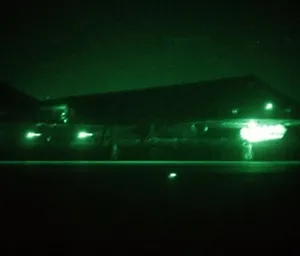
These green lights are installed on the centerline of the taxiway; the separation between the taxiway centerline lights is controlled to ensure a continuous light guidance right line. The appropriate installation of centerline taxiway lights assist in the safe and smooth movement on the ground especially under times of low visibility.
Runway Guard Lights
Runway guard lights are placed near the interlocking of the runway and the taxiway with a purpose of giving the notification of the approaching runway. These lights are normally comprised of yellow lights flashing in turns on the about one side of the taxiway.
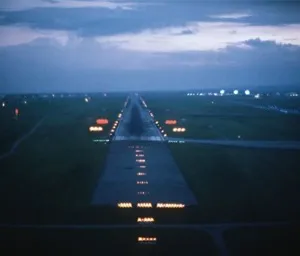
The original use of runway guard lights was to improve the visibility of the aircraft in the vicinity of the runway and thus, eliminate cases of runway incursions amongst the ground operating aircrafts.
Taxiway Edge Lights in Runway
Blue lights are found on the edges of taxiways especially in runway areas to help guide pilots. These lights are significant for night visual reference purpose in cases of runway operations and they also help pilots to normally differentiate between taxiways and runway.
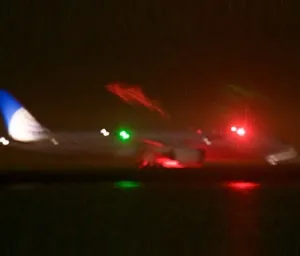
Taxiway edge lights in runway ensure that no unauthorized persons and vehicles move on the active runway since there are corresponding lights to guide the taxiing planes.
Conclusion
REIL, Runway Edge Light Systems, Runway Touchdown Zone Lighting, HIRL for runaway surfaces, the arrangement of Threshold lights, Runway Centerline Lighting System, standard spacing for taxiway centerline lights, setting of the runway guard lights, and the taxiway edge lights in the runway zone are critical to safe and efficient working of an airfield. These systems increase the measure of vision pilots need to operate, take-off, land and taxi giving efficiency and safety throughout the flights regardless of the prevailing weather conditions. Thus, continuing to improve the Air Force capabilities and its mission’s success, it invests in the development of modern, efficient runway lighting systems.
 Our Services
 Media Pack Download
 Newsletters
 Industrial Events