
Logical Commander Software Ltd
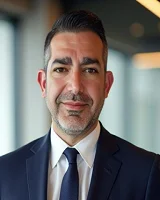
About: Matias Schapiro - Founder & CEO
Matias Schapiro, Founder & CEO of Logical Commander Software Ltd., leads the Award-winning AI solutions for Enterprise Risk Management. With deep expertise in compliance, risk, security, and global business, he pioneers technology enabling organizations to detect and manage internal risks while fostering integrity, resilience, and regulations worldwide.
Q1. Why are internal threats considered one of the biggest risks for defence organizations today?
Internal threats are dangerous because they involve trusted individuals with access to sensitive systems and information. Unlike external cyberattacks, insider actions can bypass conventional defences. This is why frameworks such as the National Industrial Security Program Operating Manual (NISPOM) and the U.S. Department of Defence Insider Threat Program require structured monitoring and awareness protocols.
At Logical Commander, we see organizations increasingly struggling to manage these risks without invasive tools. That is why we focus on non-intrusive, AI-driven methods that respect compliance standards while still detecting early warning signals.
Q2. How do you define “human capital risk” in this context?
Human capital risk comes directly from people - whether employees, candidates, contractors, or partners. Stress, coercion, behaviours, or ethical lapses can translate into operational vulnerabilities. Defence organizations must manage these risks with the same discipline they apply to technology.
International standards such as ISO 31000 and ISO 27001/27701 highlight workforce-related risks as central to organizational resilience, and the NIST SP 800-53 framework provides controls for workforce security. Logical Commander integrates these regulatory benchmarks into our platform, ensuring that risk assessments align with both operational needs and compliance obligations.
Q3. Integrity and ethics are often described as “soft” topics. Why are they so critical in defence?
In defence, integrity and ethics are non-negotiable. A single ethical lapse can compromise entire operations. Regulations such as the DoD Standards of Conduct and FAR/DFARS set strict rules, while international frameworks like the OECD Guidelines on Integrity, the UK Bribery Act, and the EU Whistleblower Directive demand accountability and transparency. Standards like ISO 37001 (Anti-Bribery) translate those expectations into practice.
At Logical Commander, we embed these integrity principles into the design of our systems. For example, our solutions help organizations identify patterns of ethical risk without relying on invasive techniques, ensuring that compliance and ethics remain the backbone of risk prevention.
Q4. What role does regulation play in shaping how defence organizations handle human capital risks?
Regulation ensures that risk management is not optional. For example, Section 889 of the U.S. NDAA prohibits defence contractors from using certain telecom and surveillance equipment, directly affecting workforce practices. ITAR and EAR impose strict rules on export and technology handling, shaping how organizations recruit and monitor employees. Meanwhile, the Employee Polygraph Protection Act (EPPA) in the U.S. prohibits invasive screening, polygraphs, like detectors, or even tools that mentions if the person fits or not, when is not based on the organization decision itself.
This is exactly where Logical Commander innovates: we provide EPPA-compliant, AI-based assessments that are non-invasive, ethical, and secure. By aligning with ISO 27K standards, SOC 2 principles, and privacy regulations, our systems help defence organizations maintain both security and compliance.
Q5. With AI and advanced analytics becoming more common, what does the future look like for managing these risks?
The future lies in responsible AI adoption. Voice-based analytics, cognitive stress indicators, and psychosocial risk detection offer powerful tools — but they must respect employee rights and comply with laws like EPPA, GDPR, and ISO privacy frameworks.
Logical Commander is already working in this space, ensuring that AI-driven assessments remain transparent, ethical, and regulation-ready. Defence organizations that combine innovation with compliance will be the best prepared to prevent insider threats while maintaining trust with their workforce.
Q6. What final message would you share with defence industry leaders?
Human capital integrity must be treated as a strategic security priority. Internal threats, human capital risks, and ethical failures can undermine entire defence programs. By embedding compliance frameworks and adopting innovative yet responsible technologies, defence leaders can build organizations that are not only resilient but also trusted by their stakeholders.
This is the mission of Logical Commander — to help organizations mitigate internal risks from human capital while staying fully aligned with global regulatory frameworks.