

How Armor Plates Protect Soldiers on the Battlefield

Introduction: Why Is Protection Evolving in Modern Warfare?
In the chaos and uncertainty of the battlefield the survival can depend on how powerful a soldier’s defense is. As warfare advances, so does the danger – from high speed bullets to explosive pieces. Combat protection wear such as military armor plates come in here as the first line of defense between life and death. But how do these plates work, and why is soldier plate carrier system such an important system for the modern military? The solution combines both science and engineering, and practical battle ground enlightenment.
The Science behind Ballistic Protection
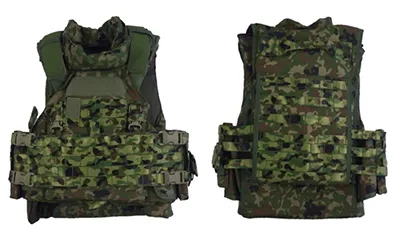
At the core of ballistic armor carriers is the ballistic plate technology – the mixture of the science of materials and tactical demand. These plates are made to either hinder or slow down projectiles by use of multi-layered materials such as ceramic composites, polyethylene as well as Kevlar. Upon bullet impact, the body armor plates, absorb the kinetic energy and further spread the impact over a greater area hence drastically reducing the possibility of penetration. This isn't just protection; it’s engineered survival. High-tech body armor doesn’t not only stop a bullet – it regulates shock, heat, and trauma, providing precise equilibrium between strength and flexibility.
What Makes Modern Armor Systems So Effective?
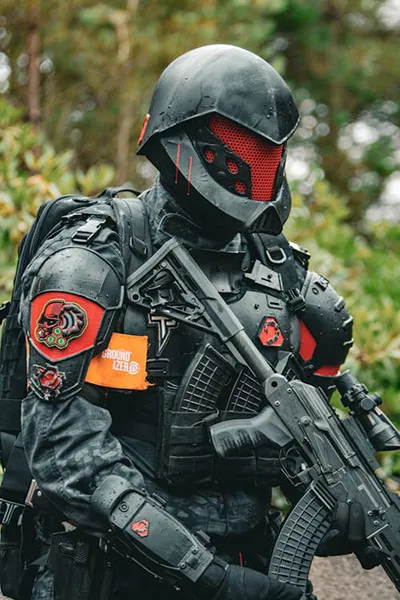
Present day modern armor system is miles apart from the bulky flak jackets of yesteryears.
Designed to combat many threats, these systems frequently incorporates multi threat armor functionality, meaning they are capable of withstanding bullets, shrapnel and even some explosive effect. High performance armor is not only about blocking bullets when looking at the battlefield but giving mobility, breathability, and modularity to the combat. Soldiers have to be running, crawling and maneuvering without having to be weighed-down, and this is why lightweight ballistic protection has become a priority. Use of new- age composites in body enhancement protection implies that soldiers are able to wear armour for longer periods and with better efficiency, with no compromise on safety.
Soldier Plate Carrier System: The Unsung Hero of Tactical Defense
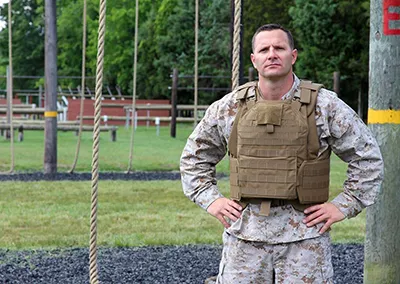
The soldier plate carrier system is not only a vest. It’s a scalable and flexible platform meant to bear body armor plates, ammunition, medical kits, and communication tools. It is like a portable survival kit. That which distinguishes it from the older systems is its modular nature – which makes it possible for troops to customize their combat-ready body according to mission particulars. This versatility is now essential in the modern warfare since threats do not only differ regionally but hourly. The Carrier system is not just ferrying armor; it’s ferrying lifeline.
Tactical Vest Armor and Personal Body Armor: The Difference Matters
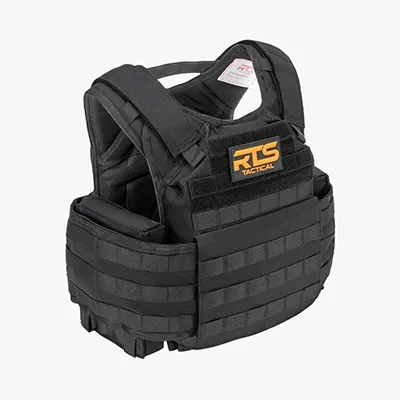
This line between tactical vest armor and personal body armor might seem blurred, yet these are what make up the crux understanding the modern soldier protective systems. Personal body armor frequently is used to refer to clothing with protective characteristics used as personal protection – lighter and less cumbersome. In comparison, the tactical vest armour is devoted to the specific task and was combined with the soldier plate carrier system, featuring greater levels of resistance to threat. These systems are designed so that soldiers will have to be able to carry gear, move quickly and be safe, even in the most adverse conditions.
Frontline Soldier Gear: Designed for Survivability
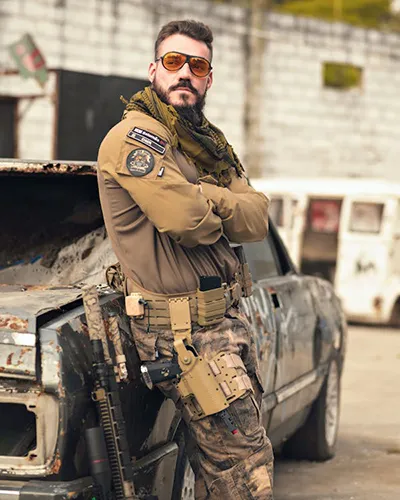
There are huge differences in the needs of a soldier in the front and those who are on a support position. Equipment meant for frontline soldiers has to pass the ultimate test in terms of survivability under fire.
This means, each item of equipment, in particular, combat protection equipment must be faultless. Technology of ballistic plates is of critical importance here. The location, curve, and the thickness of the military armor plates in the carrier system, are designed, to protect vital organs and allow balance and mobility. It’s a tricky balance between physics and human anatomy – one that doesn’t allow for any errors.
Multi-Threat Armor: More Than Just Bulletproof
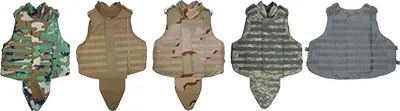
Among the most interesting trends on the modern battlefield protection equipment scene is the appearance of multi-threat armor. Whereas traditional armor concentrated more on stopping bullets, the high-performance armor today is tried with knives, blunt force trauma and even improvised explosive devices. Why? As soldiers in the contemporary battlefields are not only avoiding bullets. They’re in complicated settings where there are dynamic threats and their armor has to adapt as well. This is when the truly advanced body armor deserves its name – not because it would be bullet-proof but because it would be adaptive and smart.
The Evolution of Lightweight Ballistic Protection
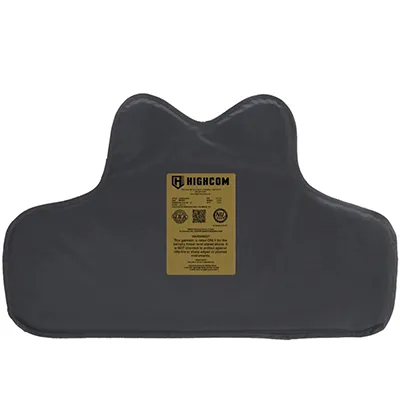
The age of when wearing armor equaled slow and clumsy times are long gone. Owing to advances in lightweight ballistic protection, the soldiers now can move faster, respond quicker and last longer in combat zones. Materials that have changed the weight to protection ratio include such as ultra-high molecular weight polyethylene (UHMWPE) and advanced ceramics. This development is not only fatigue reducing but enhances performance, situational awareness, and endurance. These ballistic armor carriers, when coupled with the soldier plate carrier system becomes practically an extension of the soldier’s body – agile, strong and ready to battle.
Body Armor Plates: Placement and Strategy
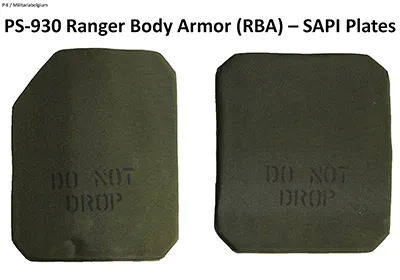
It’s not only a matter of putting on body armor plates – it is a matter of where they are worn. Plates are normally placed into slots across the chest and down the back to cover the heart, lungs, and spine. Some systems have also side, shoulder, and groin protection, according to mission requirements. The targets of combat-ready armor are both to offer the soldier a 360-degree shield without turning him into a walking tank.
Strategic plate placement ensures that the most vital areas are secured while maintaining dexterity and speed. This balance defines the very essence of modern armor systems.
Behind the Shield: Real Stories from the Battlefield
Imagine a soldier pinned down by sniper fire. A bullet screams toward his chest – but instead of piercing through, it shatters upon contact with the military armor plates inside his vest. That moment of impact? It’s where science meets fate. Real stories abound of soldier protective systems saving lives, not in simulations, but in the raw chaos of battle. These aren’t just products – they are guardians, forged from research, experience, and sacrifice.
Combat Protection Gear: What's Next?
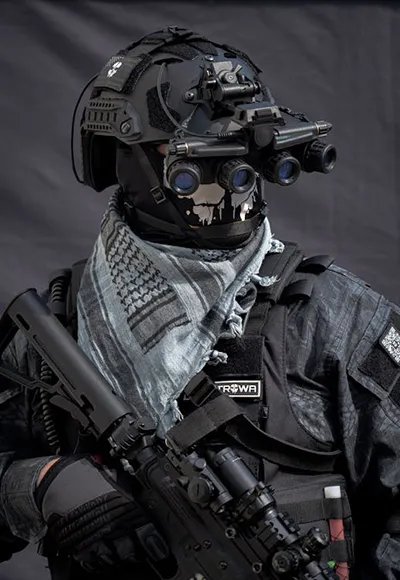
The future of combat protection gear lies in even smarter systems – gear that can detect damage, adjust to impact, and even integrate AI-based threat alerts. Researchers are exploring reactive armor that can harden upon contact, and personal body armor with embedded sensors for health monitoring. As warfare grows more complex, enhanced body protection must evolve too – not just to stop what’s coming, but to anticipate it. The future ballistic plate technology isn’t just about protection – it’s about prediction.
Conclusion: The Silent Strength behind Every Soldier
In a world where threats are growing faster than ever, battlefield protection equipment must not only keep up – it must lead. Body armor plates, ballistic armor carriers, and the soldier plate carrier system together form the backbone of modern combat survivability. Every thread, plate, and strap is a testament to innovation and the relentless pursuit of safety. So next time you see a soldier geared up in tactical vest armor, know that beneath that gear lies an entire system – meticulously designed, constantly evolving, and silently shielding the brave hearts who walk into danger so others don’t have to.
Because on the battlefield, protection is not an option – it’s a promise.
 Our Services
 Media Pack Download
 Newsletters
 Industrial Events