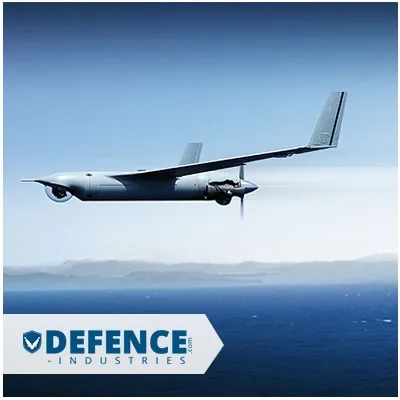


Advanced Radar and Sensor Technologies for Modern Warfare
Introduction
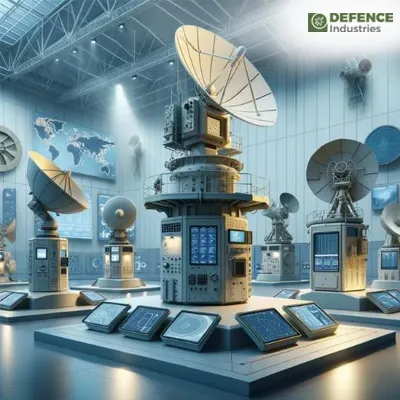
Exploring the constantly developing and transforming context of contemporary warfare, it is essential to discuss the significance of radar and sensor systems’ modernization. In this regard, these technologies are crucial because they enable timely information gathering, increasing the awareness of the circumstances taking place and ensuring prompt and adequate responses to the threats arising. Hence, both the radar and sensors are covered in this article, and why they both have relevance to modern wars.
Radio Detection and Ranging (RADAR) Technologies
The term RADAR implies “Radio Detection and Ranging”. It has been one of the most instrumental technologies which have constituted a part of the military right from the early stage. RADAR which works through radio waves they are used in the detection, locating and even measuring the distance, speed of an object.
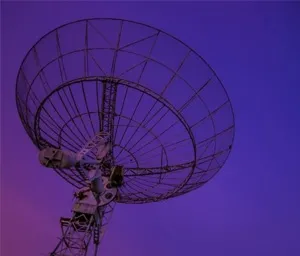
This has seen technological advancement in the radar technologies with the modern radar systems being advanced in their resolution, accuracy and reliability. Currently, signal processing enhances the modern RADAR systems’ performance and allows them to function in the hostile environment threatening modern weapons.
Modern Sensors for Defence
Defence intelligence has been revolutionized by avionics and other state-of-art. Among these sensors, electro-optical sensors, infrared sensors, and radar sensors equip the exclusive details of the enemy’s movement, the environment, and threats.
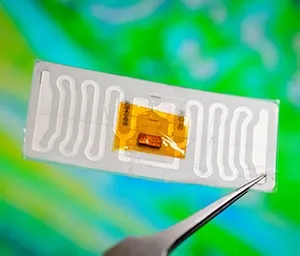
Implementation of these sensors as a system improves on the military radar systems in terms of identifying threats and arriving at better decisions. The development of these sensors was found to be strongly correlated to the Internet of Military Things (IoMT), is a concept that aims to synchronize different military platforms, equipment, and items.
The Advanced Airborne AESA Radar
Advanced Airborne Active Electronically Steered Array (AESA) Radar is one of the modern breakthroughs in radar industry. Startup AESA, or Active Electronically Scanned Array, radars are much advanced than the mechanically scanned radars, providing better facilities in terms of performance.
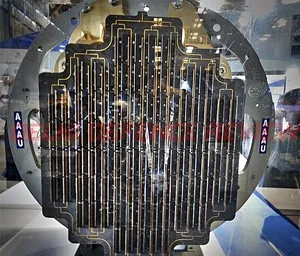
The enhanced features of the Advanced Airborne AESA Radar include increased order threat detection, high accuracy tracking and creation of simultaneous engagement. This is why it is fundamental to any contemporary system of air protection and attack, since it provides important information for both the offense and the defense.
Next Generation Weather Radar
Continuing from the last part, the Next Generation Weather Radar systems are also important for tracking the weather condition. The mentioned radar systems include S-band Doppler weather radar that provides higher capabilities in monitoring of storms and precipitation. The incorporation of Vaisala Weather Radars Systems helps in improving the Military Situational Awareness due to flow of detailed weather information which is critical to mission planning. Analyzing weather conditions contributes to organizing flight courses, determining positions of targets, and guaranteeing the efficiency of armed forces’ actions.
Military Radar Systems in Modern Warfare
It is quite impossible to explain the importance of military radar systems for the modern warfare. These systems are used to identify, follow, and intercept a number of threats such as airborne, missile, and to some extent the ground targets.
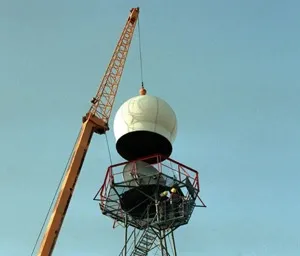
Proactive developmental strides of military radar systems make them capable of carrying out their tasks in different terrains including the urban area, the sea among others. New developments like SPY-7 radar facilitates the surface ships early warning system and target acquisition and tracking equipment which is very useful in the modern day warfare.
Military Radar Systems Market Size
The size of the military radar systems market shows the need for more advanced radar systems. Concerning the general trends, it is worthy to note that the popularity of radar systems enjoys constant growth as the military of various countries expand their budgets to develop and purchase new models.
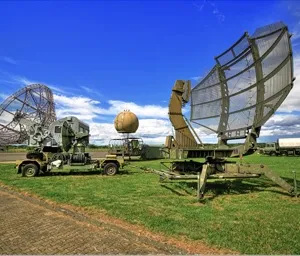
A growing idea that is tied to new technologies and warfare creates rivalry to emerge in the radar manufacturing industry and to produce more effective and upgraded radar systems.
The Internet of Military Things (IoMT)
Internet of Military Things (IoMT) can be thus be viewed as paradigm shifting in the nature of the military. IoMT makes it easier to join several military vehicles or detecting instruments in a single network to feed real-time data. Through integration one can achieve better co-ordination of the military forces, better perception of threats and quicker reaction time. The improvements in radar and sensors for IoMT make it all-inclusive and interlinked structure for defense, shifting the operational efficiency for the better.
Conclusion
An effective implementation of radar and sensor technologies is a vital necessity for any warfare in the contemporary society. Starting from the Radio Detection and Ranging (RADAR) systems and up to modern airborne Active Electronically Steered Array (AESA) radars, each step defines the improvement of military profile and certainties of victory. Next generation weather radars and Vaisala Weather Radar Systems also enhances the effectiveness of the mission planning and operations. With the increasing growth of the military radar systems market size, the consolidation which has continued day by day is promising for the transformation of the technology in the future of defense and security system.
In conclusion, it can be said that the development of multifunctional radar systems, such, as SPY-7 radar and the Internet of Military Things will remain the key to progress in the improvement of military operations’ effectiveness. If integrated, these technologies aid military forces to be on the lookout for new and upcoming threats which are experienced in the contemporary warfare.
 Our Services
 Media Pack Download
 Newsletters
 Industrial Events