

Additive Manufacturing (3D Printing) in the Defence Sector: Opportunities and Limitations
Introduction: A New Era in Defence Manufacturing
Peace and security operations in modern times extend beyond firepower and military personnel measurements. The defensive capabilities now depend heavily on technological innovation, where additive manufacturing or 3D printing stands as the focal element. Defence manufacturing innovation experiences a transformative change across the global industry because of this technological advancement. The military is examining how additive defence techniques enable equipment production that proceeds rapidly while costing less money and leading to higher flexibility. The process of implementing military 3D printing at warfront locations triggers numerous operational questions about effectiveness. Does it provide a proper alternative to conventional production approaches? The solutions emerge from practical usage along with present-day obstacles.
What Is Additive Manufacturing and Why It Matters in Defence
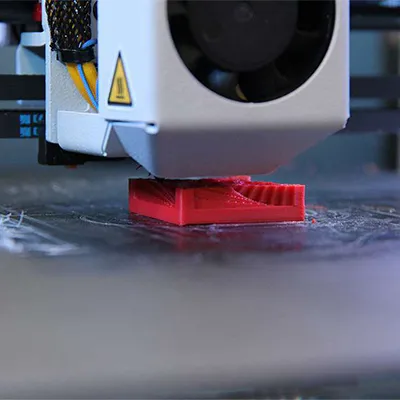
Additive manufacturing sequences the creation of items by adding successive layers that follow digital specifications. As a different approach, it functions contrary to traditional subtractive techniques that remove materials. Defence organizations now have access to a revolutionary new capability. Digital models of components develop first through CAD-based manufacturing before the system executes direct printing. Manufacturers can achieve complex configurations that traditional casting or machining methods would pose challenges for in terms of cost or feasibility.
On-Demand Defence Production: Agility in Action
Current warfare requires forces to function quickly while maintaining compatibility in their operations. The application of military 3D printing enables defence forces to generate mission-oriented parts and equipment during hours of production time. The combat logistics operations in remote locations and war zones end up prolonging delivery to even combat-ready military forces. Frontline units can reduce downtime and boost their combat effectiveness through field-based, localized parts manufacturing, which produces ready-for-use combat spare parts.
Custom Military Components and Complex Designs
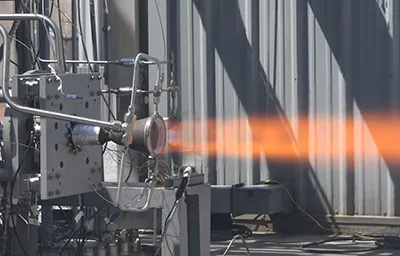
Additive defence solutions grow magnificent due to their capacity for customization. The capacity to develop mission-tailored military parts allows military forces to adjust equipment for particular operational purposes. Manufacturing through the CAD-based method enables quick adjustments to design specifications and rapid production because of its capability to generate personalized components. The result? Engineering has invented advanced defence components that unite several functions into lightweight, efficient parts designed for operations across different environments, including desert zones and deep seas.
Rapid Prototyping: Accelerating Innovation
New defence system development usually requires many years, but rapid prototyping methods shorten this period significantly.
Through rapid testing, engineers now develop drone concepts along with advanced helmet equipment in days rather than traditional months. Military modernization programs depend on quick production since continual updates remain the key factor for military advantage. Modern defence forces use agile manufacturing principles to create operational flexibility, which supports their response to developing security threats.
Metal Additive Manufacturing: Building Stronger Parts
Durability is critical for defence. The rising acceptance of metal additive manufacturing processes shows its trends in the industry. Through this manufacturing approach, the production process creates strong, heat-resistant, combat-ready components and accessories. The method provides exceptional support for aerospace and defence applications because items need to perform under tough operational environments. Planes, along with satellites and missiles, undergo development to include advanced defence components produced by metal additive manufacturing systems.
Agile Manufacturing Strategies for the Battlefield
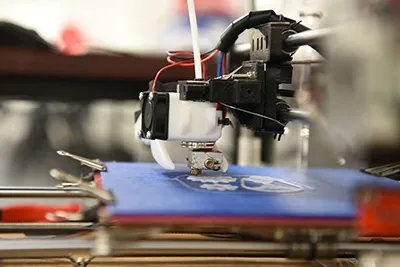
Military real-time requirements surpass the capacity of standard manufacturing methods to fulfill them effectively. Agile manufacturing strategies have emerged by placing high value on flexibility as well as speed. This model perfectly integrates additive manufacturing by allowing the military to rapidly adjust equipment after failures as well as address mission changes. The quick capability to generate unique military components combined with rapid replacement of broken parts during critical operations enables operational control changes.
Aerospace and Defence: Reaching New Heights
The aerospace and defence sectors obtain among the most advantages from additive manufacturing methods. The printing capability of lightweight, durable, and optimally aerodynamic components makes 3D printing optimal for aircraft, satellites and UAVs. The improvement of complex part fabrication reduces design limitations through lowered constraints of traditional production methods. The printing of components which used to need extended production time, now occurs within the facility which leads to faster development alongside cost effectiveness.
A printing process enables components to be produced internally that previously required weeks to manufacture thus advancing development speed and decreasing production costs.
Localized Parts Manufacturing: Supply Chain Reinvented
The decentralization pattern stands as one of the disruptive features of additive manufacturing technology. Defence units no longer need to depend on centralized military supply systems. Every installation that requires parts manufacturing can produce battle-ready replacement parts directly from its stored digital files. National security improves through domestic parts manufacturing since it reduces logistical complexities and eliminates dependency on foreign vendors and cross-border shipping.
Limitations: Is Additive Manufacturing Ready for Full-Scale Deployment?
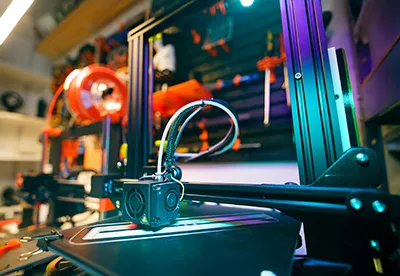
The advantages of additive defence solutions are challenged by important operational hurdles. The technique faces difficulties in volume – it remains better to manufacture big assemblies and constructions using conventional manufacturing procedures. Malfunctioning material in metal additive manufacturing affects both the functioning quality and longevity of final parts. The technology presents a danger of suffering cyber attacks. Defence organizations must establish strict procedures to protect digital blueprints since widespread CAD-based industrial processes now need must-have security measures to block both espionage and blueprint manipulation attempts.
Standardization and Quality Control: A Work in Progress
Quality assurance stands as the primary significant challenge that needs resolution. Under what circumstances would a 3D-printed part located in a desert base prove equivalent to a lab-made part created in Europe? The absence of standardized manufacturing procedures alongside thorough testing ensure failure-free operation throughout all operational environments. Full military 3D printing reliability depends on defence organizations creating standard global protocols which specify materials and devices and their calibration and performance assessment terms.
The Road Ahead: Opportunities for Growth
Progress in research and development of additive manufacturing processes will enable future developments of machine capabilities as well as speed improvements and new materials. The field of rapid prototyping technology will improve its speed and precision while metal additive manufacturing will establish new capabilities to work with a broader range of materials which satisfy military standards. Better military modernization programs will become possible through intensified cooperation between governments and defences contractors and tech startup experts.
Curiosity for the Future: Will Wars Be 3D-Printed?
The speedy development of additive defence solutions makes this question more realistic than it might seem.
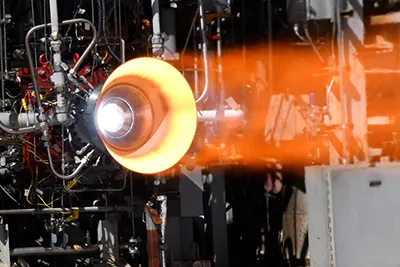
Digital parts libraries uploaded to satellite networks would create an opportunity for authorized military units to access print defence components in real time for deployment. Can military additive manufacturing operations change the military strategic position in upcoming armed conflicts? The technology exists with its ethical and logistical and technical issues yet to be resolved.
Conclusion: Layer by Layer, the Defence Sector Evolves
Defence manufacturing innovation now depends on additive manufacturing as its foundation rather than being an experimental process. The clear advantages of the technology include the capability to produce on-demand defence products along with customized military components and complex geometric component fabrication. The future appears promising due to continuous progress in rapid prototyping technology alongside metal additive manufacturing but scale and standardization as well as security challenges need resolution.
The aerospace and defence industries expect escalating adoption of 3D printing technologies because governments continue to build their military capabilities through manufacturing agility programs. The industry tracks the development of layer by layer printing methods with a combination of anxious observation and printing activity.
 Our Services
 Media Pack Download
 Newsletters
 Industrial Events